Discovering a pest infestation in your home is a deeply unsettling experience. Whether it is the silent, destructive chewing of subterranean termites, an established rodent colony nested deep within the insulation, or a massive hive of wood-boring bees carving out your fascia boards, pests cause damage that is both psychological and structural. Unlike superficial cosmetic issues, a severe pest problem actively degrades the integrity and safety of a house from the inside out.
For property owners in North Texas and Southwest Oklahoma, heavy pest activity is an unfortunate reality driven by the regional climate. Warm summers and mild winters create the perfect breeding ground for invasive wood-destroying organisms (WDOs).
When a property suffers widespread pest damage, many homeowners instinctively want to wash their hands of the property and move on. However, putting a home with an active or historically severe infestation on the traditional retail market often uncovers a web of legal, financial, and bureaucratic traps. Let’s look honestly at the realities of listing a pest-damaged home through conventional real estate channels and explore why a direct cash sale is often the most practical, stress-free path to a clean slate.
The Hidden Roadblocks of the Retail Market
When you hire an agent to list a home on the Multiple Listing Service (MLS), you are inviting retail buyers, home inspectors, and strict mortgage underwriters to scrutinize every square inch of the structure. If your property has a known history of pest damage, the conventional selling pipeline hits several immediate roadblocks:
1. The Mandatory Wood-Destroying Insect (WDI) Report
In both Texas and Oklahoma, almost every traditional home sale requires a specialized Wood-Destroying Insect (WDI) inspection report. This is completely separate from a standard home inspection. A licensed exterminator will crawl through the attic, check beneath the subfloors, and probe structural studs for active swarms or historical tunnels.
If the report comes back positive for active termites or structural wood loss, the transaction immediately grinds to a halt. Under disclosure laws, that negative report is permanently attached to the house file, destroying your negotiating leverage with any future retail buyers.
2. The Government Financing Blockade
The vast majority of everyday home buyers rely on government-backed mortgages like FHA, VA, or conventional bank financing. These institutions have strict minimum property standards regarding safety and structural soundness.
If a WDI report indicates active wood-boring pests or structural framing damage, the underwriter will deny the mortgage loan completely. The bank will refuse to release funds until a licensed contractor repairs all structural timber and a pest control company certifies a 100% complete chemical eradication. If you do not have the out-of-pocket savings to fund these expensive treatments upfront, your property cannot be sold on the retail market.
3. The Unpredictable Scope of Structural Damage
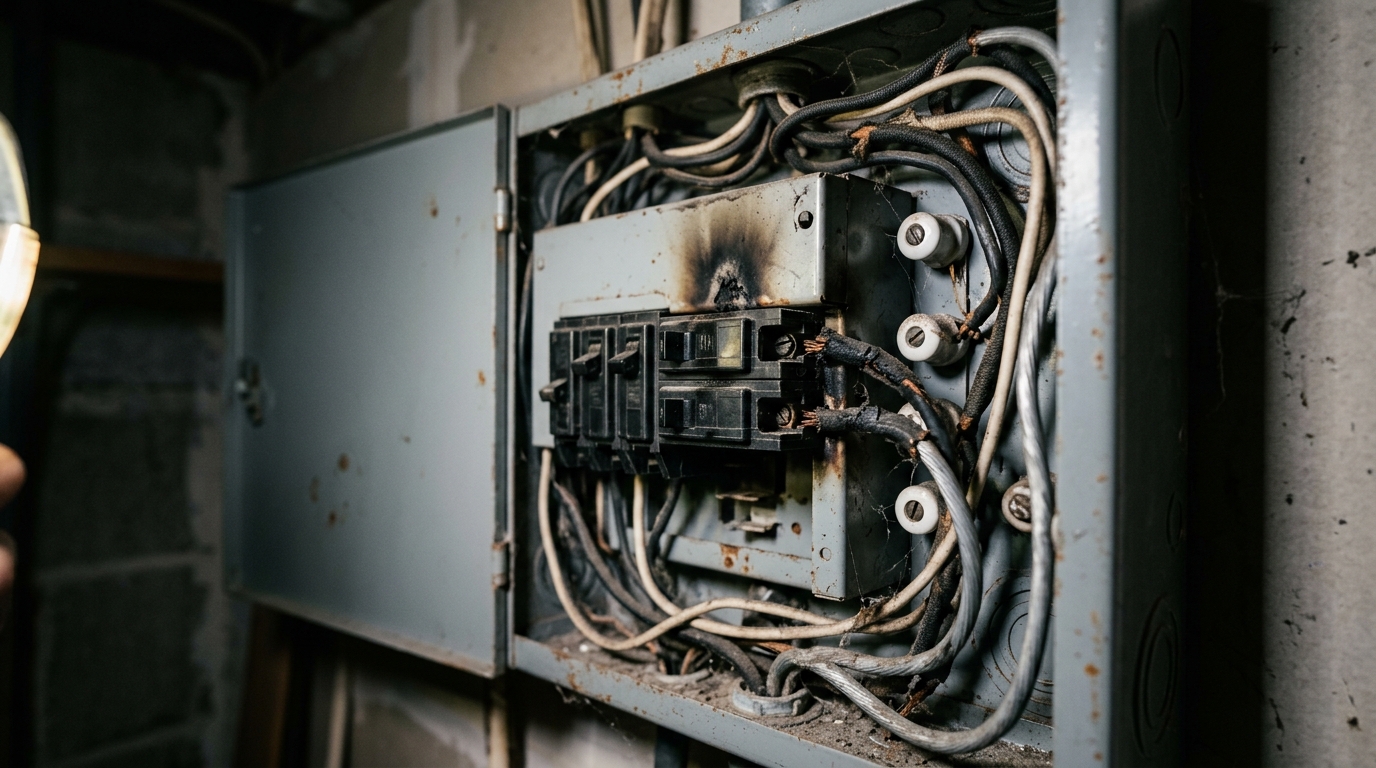
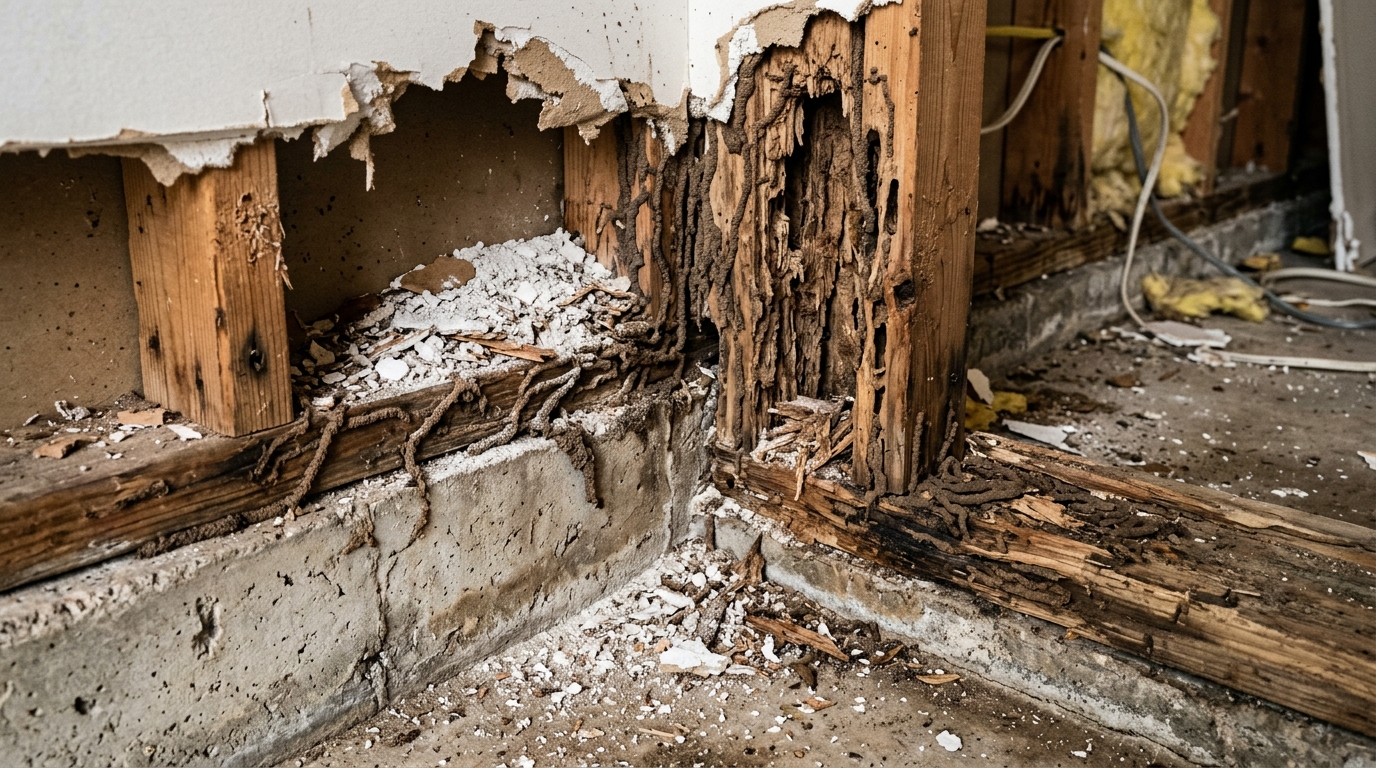
Pests are masters at hiding their tracks. Termites chew through the interior of wood studs while leaving the exterior paint completely intact. What looks like a minor pest issue on the surface frequently transforms into a major reconstruction project once contractors tear away the drywall and reveal completely hollowed-out support beams, ruined electrical wiring from chewing rodents, and contaminated attic insulation that must be entirely removed and replaced.
Real-World Case Studies: Listing vs. A Direct Cash Sale
To truly appreciate the speed and financial safety of bypassing traditional real estate channels, let’s look at two contrasting, real-world property outcomes.
Case Study A: The Traditional Listing Termination Trap (The DFW Metroplex)
A homeowner in the Dallas/Fort Worth area decided to sell a rental property that had been vacant for several months. They noticed a small amount of termite mud tubes in the baseboards but decided to list the house with an agent as-is, assuming a buyer would just handle it down the road.
- Month 1–2: The house is listed and a retail buyer submits a strong offer. However, the buyer’s mandatory WDI inspection reveals an active subterranean termite colony that has traveled up from the foundation into the living room walls.
- Month 3: The buyer demands that the seller pay for a full chemical soil treatment and structural wall repairs before closing. The homeowner calls three local contractors and receives an estimate of $14,000 to strip the drywall, reinforce the damaged wall framing, and replace the structural headers.
- Month 4: The homeowner pays for the repairs out of pocket, but the construction delays push past the buyer’s mortgage rate-lock expiration. Due to shifting financial markets, the buyer can no longer qualify for the loan and backs out of the contract entirely.
- Month 6: The house sits vacant for two more months while the owner pays continuous mortgage and utility bills. When a second buyer finally emerges, they demand a heavy price reduction because they are terrified of residual structural weakness. The owner loses months of time and thousands of dollars in net equity.
Case Study B: The Immediate Cash Resolution (Lawton, Oklahoma)
An out-of-state property owner inherited a vacant family home in Lawton, Oklahoma. A quick look revealed that the attic insulation was completely ruined by long-term raccoon and rodent nesting, and the exterior deck had severe carpenter ant damage. The owner had zero interest in managing a toxic cleanup or coordinating with local pest control companies.
- Day 1: The owner contacts a direct home-buying company through a simple online form.
- Day 2: A local property coordinator reviews the neighborhood data and performs a rapid, non-invasive walkthrough to assess the home’s layout and structural repair scope.
- Day 3: The company extends a firm, clear all-cash offer. The valuation accounts for the full attic remediation, insulation replacement, and structural framing repairs internally, requiring $0 from the seller’s wallet.
- Day 5: The owner accepts the offer. Because the cash buyer uses private liquid capital, there are no bank underwriting guidelines, mortgage appraisers, or mandatory government insect reports required to clear the transaction.
- Day 12: The deal closes smoothly at a trusted local title company. The seller walks away with cash in hand in less than two weeks, completely free from the physical and financial liability of a contaminated property.
Why a Direct Cash Buyer is Your Best Strategy
When you sell your property directly to an established investment company like ours, you completely bypass the friction, delays, and out-of-pocket costs of the traditional retail market. We specialize in taking on the structural and environmental risks that terrify everyday buyers:
We Buy 100% As-Is (Leave the Infestation to Us)
When we say we buy houses completely as-is, we mean it. You do not need to hire an exterminator, tent the house, replace damaged studs, or shovel out contaminated insulation. Take only the personal belongings you want, leave the pest damage exactly as it sits, and let our heavy construction teams handle the cleanout and structural reinforcement after closing.
Zero Out-of-Pocket Commissions, Closing Costs, or Fees
Selling a home through a traditional real estate agent means giving up roughly 6% of your final sale price to agent commissions, plus another 2% to 3% in title fees and buyer closing costs. When a property’s value is already impacted by pest damage, losing an additional 8% to 10% to transaction fees cuts deep. We charge no commissions and cover all standard closing costs, ensuring you keep the exact amount of cash promised in our written offer.
Bypassing Project Risk and Holding Costs
Managing a structural pest repair project yourself is a recipe for stress. Contractor timelines frequently slip, and material costs can change without warning. Every month you spend waiting for repairs to finish is another month you must pay mortgage interest, property taxes, and insurance on a damaged home. When you sell to us, we assume 100% of the construction and holding risks.
Take Back Your Financial Freedom
A pest infestation shouldn’t hold your financial future hostage. You do not have to let a sluggish, traditional real estate market or expensive remediation companies dictate your recovery timeline.
If you are ready to skip invasive home inspections, avoid the nightmare of out-of-pocket construction bills, and sell your property on a timeline that you completely control, a direct cash sale is your cleanest path forward.
To see exactly how our direct buying model cuts out the middleman and learn more about our transparent property valuation, take a moment to review our comprehensive guide detailing reputable cash home buyers and how they evaluate properties. We believe in providing clear operational facts so you can make an empowered decision for your family.
For homeowners dealing with pest or structural issues in North Texas, you can connect directly with our localized underwriting team by visiting our trusted real estate investors page for the DFW area to request a rapid, hassle-free property assessment. If your property is located across the Oklahoma border and requires fast local action, our team is ready to provide an immediate solution through our dedicated home buying company in Lawton.
You don’t have to carry the burden of a damaged house alone. Let us buy the property as-is, take on the structural and pest risks, and put cash in your pocket so you can move forward into your next chapter with absolute certainty.