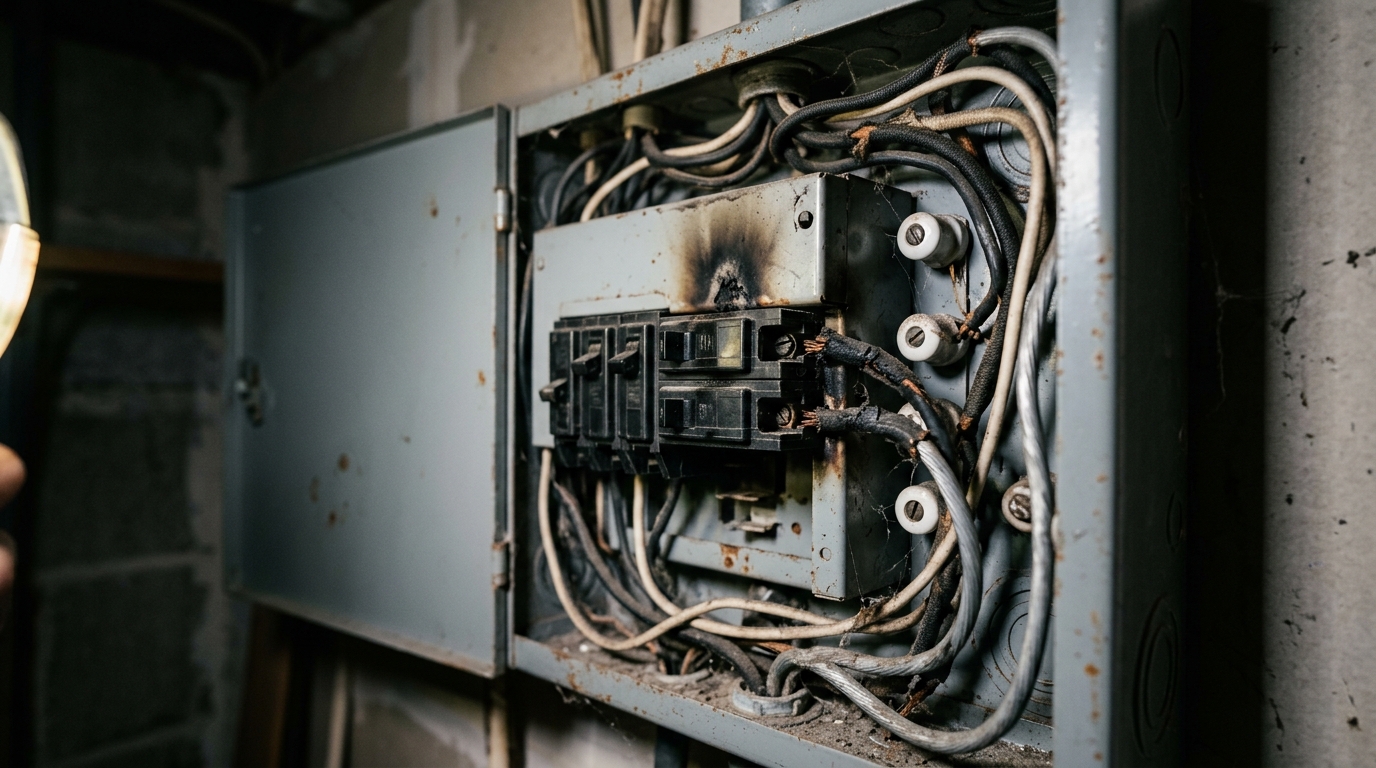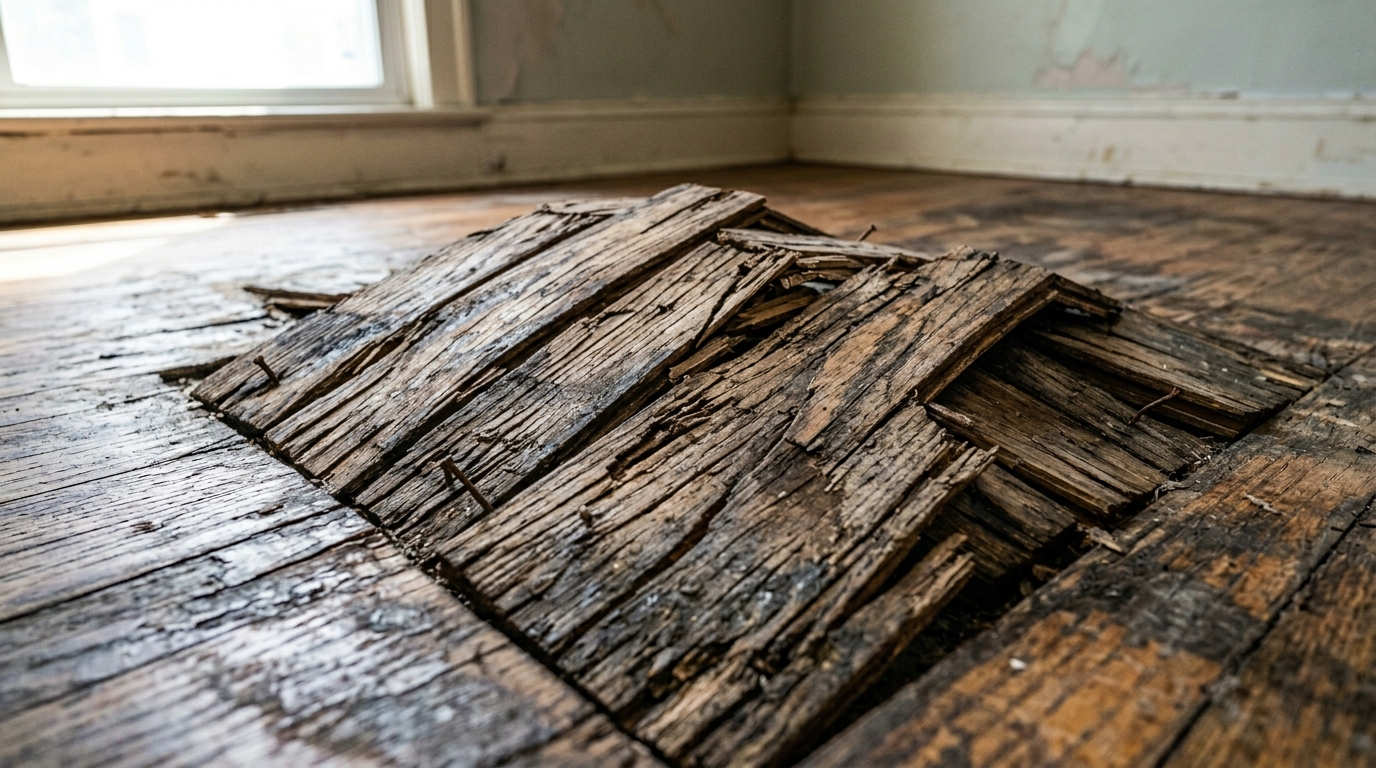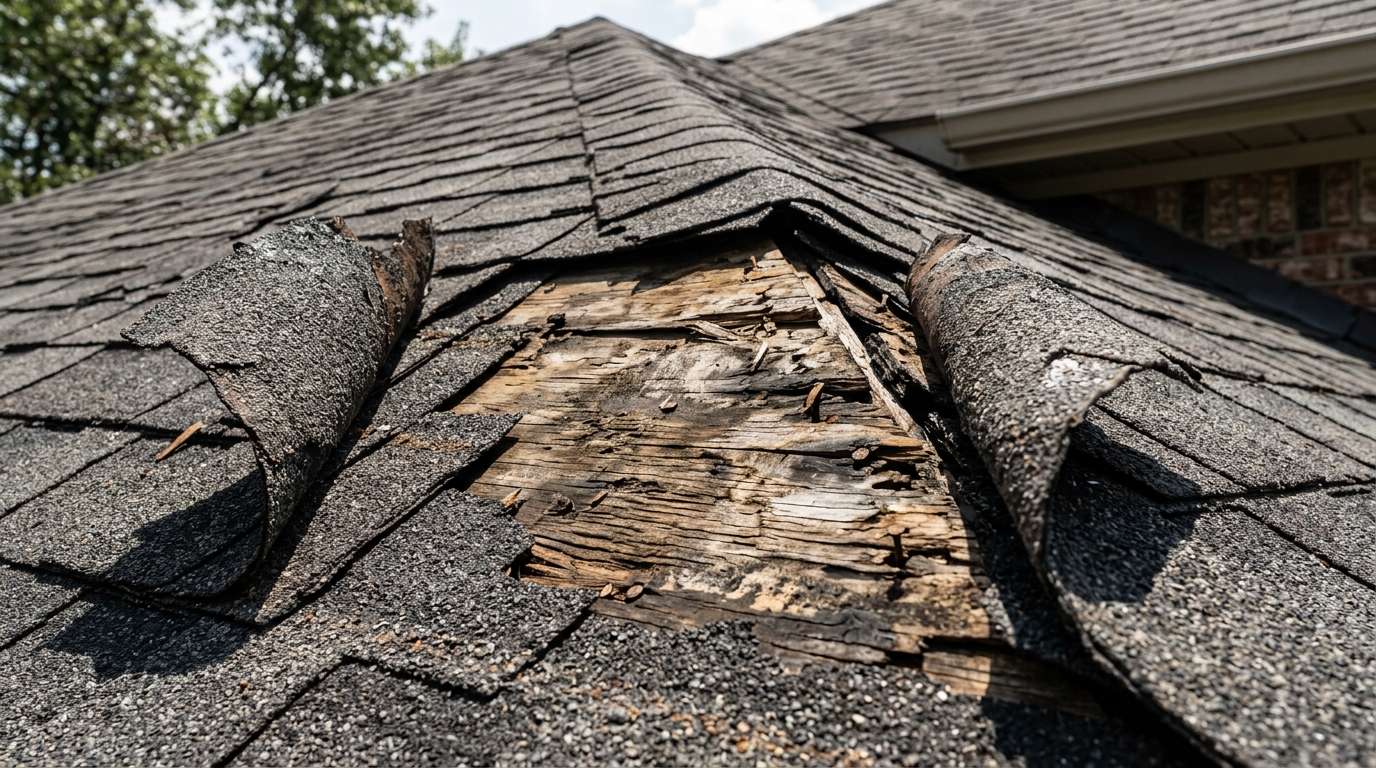
A home’s roof is its primary shield against the elements—the first line of defense protecting everything underneath it from rain, wind, hail, and extreme temperatures. When a roof reaches the end of its operational lifespan or suffers catastrophic storm damage, that protective barrier fails. What begins as a few missing shingles or a minor ceiling stain can quickly escalate into widespread structural damage, ruined insulation, toxic mold outbreaks, and compromised electrical systems.
For property owners in North Texas and Southwest Oklahoma—regions famous for brutal spring hail storms and volatile weather—navigating a failing or severely damaged roof can be a massive financial strain. Replacing a residential roof is one of the most expensive capital improvements a homeowner can face.
When it comes time to sell, the traditional instinct is to hire a real estate agent and list the property on the open market. However, trying to sell a house that needs a new roof through conventional retail channels frequently leads to a dead end. Let’s look honestly at the realities of listing a home with a compromised roof and explore why selling directly to a local cash home buyer is often the smartest, fastest, and most practical path forward.
The Hidden Roadblocks of the Traditional Retail Market
When you list a home on the Multiple Listing Service (MLS), your target audience consists of retail buyers who plan to occupy the home themselves. If your property requires a complete roof replacement, the traditional transaction pipeline breaks down due to three major obstacles:
1. The Home Insurance Uninsurability Wall
This is the single biggest hurdle to selling a home with an old or damaged roof. Before a traditional bank will fund a mortgage, the buyer must secure a homeowner’s insurance policy.
In today’s market, insurance underwriters are incredibly strict; most major carriers will completely refuse to write a new policy on a home with a roof that is over 15–20 years old, has active leaks, or shows significant unaddressed hail damage. If a buyer cannot get insurance, the bank will deny the mortgage loan outright. This instantly disqualifies roughly 90% of your retail buyer pool, leaving your agent with very few options.
2. The Four-Point Inspection Trap
For buyers utilizing government-backed financing like FHA or VA loans, the property must pass a strict appraisal and a mandatory inspection. A key component of this review is evaluating the remaining life expectancy of the roof.
If the inspector determines that the roof has less than 2 to 3 years of viable life left, or notes any active structural deflection, the loan underwriter will mandate a full roof replacement before closing. This leaves the seller in a tight spot: you must either pay thousands of dollars out of pocket to put a new roof on a house you are leaving, or watch the deal collapse entirely.
3. The Deductible and Insurance Claim Maze
Many homeowners assume they can simply file an insurance claim to cover the roof replacement before selling. However, if the damage is older, the claim may be denied due to a lack of timely reporting. Even if approved, modern insurance policies often feature high percentages for wind and hail deductibles.
If your home is valued at $300,000 and you have a 2% hail deductible, you are personally responsible for the first $6,000 out of pocket. If you do not have that liquid cash sitting in a bank account, the claim cannot move forward, and your house remains unsellable on the retail market.
Real-World Case Studies: Listing vs. A Direct Cash Sale
To truly see the benefits of skipping the traditional real estate agent path, let’s examine two contrasting real-world scenarios based on common market experiences in our primary territories.
Case Study A: The Traditional Listing Dead-End (The DFW Metroplex)
A homeowner in the Dallas/Fort Worth area decided to sell their property. The roof was 22 years old and had several missing shingles from a recent storm, but it wasn’t actively leaking into the living room. An agent listed the home on the MLS, claiming it was an “easy fix for the right buyer.”
- Month 1–2: A retail buyer falls in love with the house and signs a contract. However, during the inspection period, the buyer’s insurance company sends out a drone to photograph the roof and immediately denies coverage due to granular loss and age.
- Month 3: The buyer asks the seller to replace the roof before closing. The homeowner gets three roofing quotes, with the lowest estimate coming in at $16,500. The seller doesn’t have that amount of liquid savings and can’t pull equity out of the home until it closes. The contract falls through.
- Month 5: The agent drops the listing price by $20,000 to attract an investor, but because the property has now been sitting on the MLS for nearly half a year, buyers assume something even worse is wrong with it.
- Month 7: The seller finally closes with a cash investor at a deeply discounted price, having wasted seven months paying mortgage interest, insurance premiums, and property taxes on a vacant house.
Case Study B: The Swift Cash Resolution (Lawton, Oklahoma)
An out-of-state property owner was left responsible for an inherited home in Lawton, Oklahoma. A severe storm had stripped away large sections of shingles, and water was beginning to stain the ceiling of the master bedroom. The owner lacked the time to fight with insurance adjusters or manage local roofing crews from afar.
- Day 1: The owner contacts a direct cash home buyer via a simple online form.
- Day 2: A local property coordinator reviews the neighborhood data and performs a rapid, non-invasive walkthrough to assess the internal water damage and roof footprint.
- Day 3: The company extends a firm, transparent all-cash offer. The valuation completely accounts for the roof replacement and ceiling structural restoration internally, requiring $0 from the seller’s wallet.
- Day 5: The owner accepts the offer. Because the company uses private liquid capital, no mortgage underwriters, bank appraisers, or insurance verifications are required to clear the transaction.
- Day 11: The deal closes smoothly at a trusted local title company. The seller walks away with cash in hand in less than two weeks, completely washing their hands of the storm damage.
Why a Direct Cash Buyer is Your Cleanest Strategy
When you sell your property directly to an established investment company like ours, you completely bypass the friction, delays, and out-of-pocket costs of the traditional retail market. We specialize in taking on the property risks that terrify everyday buyers and their banks:
We Buy 100% As-Is (Leave the Construction to Us)
When we say we buy houses completely as-is, we mean it. You do not need to hire contractors, patch ceilings, or pay thousands of dollars for a new roof. If the entire decking needs to be ripped up and replaced due to water rot after the purchase, that is entirely our financial problem, not yours. Take only what you want from the home, leave the structural headaches behind, and move on.
Zero Out-of-Pocket Commissions, Closing Costs, or Fees
Selling a home through a traditional real estate agent means giving up roughly 6% of your final sale price to agent commissions, plus another 2% to 3% in title fees and buyer closing costs. When a property’s value is already adjusted for structural roof issues, losing an additional 8% to 10% to transaction fees cuts deep. We charge no commissions and cover all standard closing costs, ensuring you keep the exact amount of cash promised in our written offer.
Bypassing Holding Costs and Weather Risks
Every week a house sits on the market with a compromised roof is a week you are exposed to extreme weather risk. If a secondary storm hits while your house is under a traditional contract, the water damage could double overnight, causing the buyer to walk away. By selling directly to us, you secure a guaranteed closing date, effectively eliminating your exposure to ongoing holding costs and unpredictable weather patterns.
Take Back Your Financial Freedom
A damaged or aging roof shouldn’t hold your financial future hostage. You do not have to let a sluggish, traditional real estate market or expensive out-of-pocket deductibles dictate your recovery timeline.
If you are ready to skip invasive home inspections, avoid the nightmare of out-of-pocket construction bills, and sell your property on a timeline that you completely control, a direct cash sale is your cleanest path forward.
To see exactly how our direct buying model cuts out the middleman and learn more about our transparent valuation structure, take a moment to review our comprehensive guide on how to sell your house fast for cash. We believe in providing clear operational facts so you can make an empowered decision for your family.
For homeowners dealing with storm or structural issues in North Texas, you can connect directly with our regional underwriting team by visiting our trusted real estate investors hub for the DFW area to request a rapid, hassle-free property assessment. If your property is located across the Oklahoma border and requires fast local action, our team is ready to provide an immediate solution through our dedicated cash home buyers platform in Lawton.
You don’t have to carry the burden of a damaged house alone. Let us buy the property as-is, take on the structural and weather risks, and put cash in your pocket so you can move forward into your next chapter with absolute certainty.