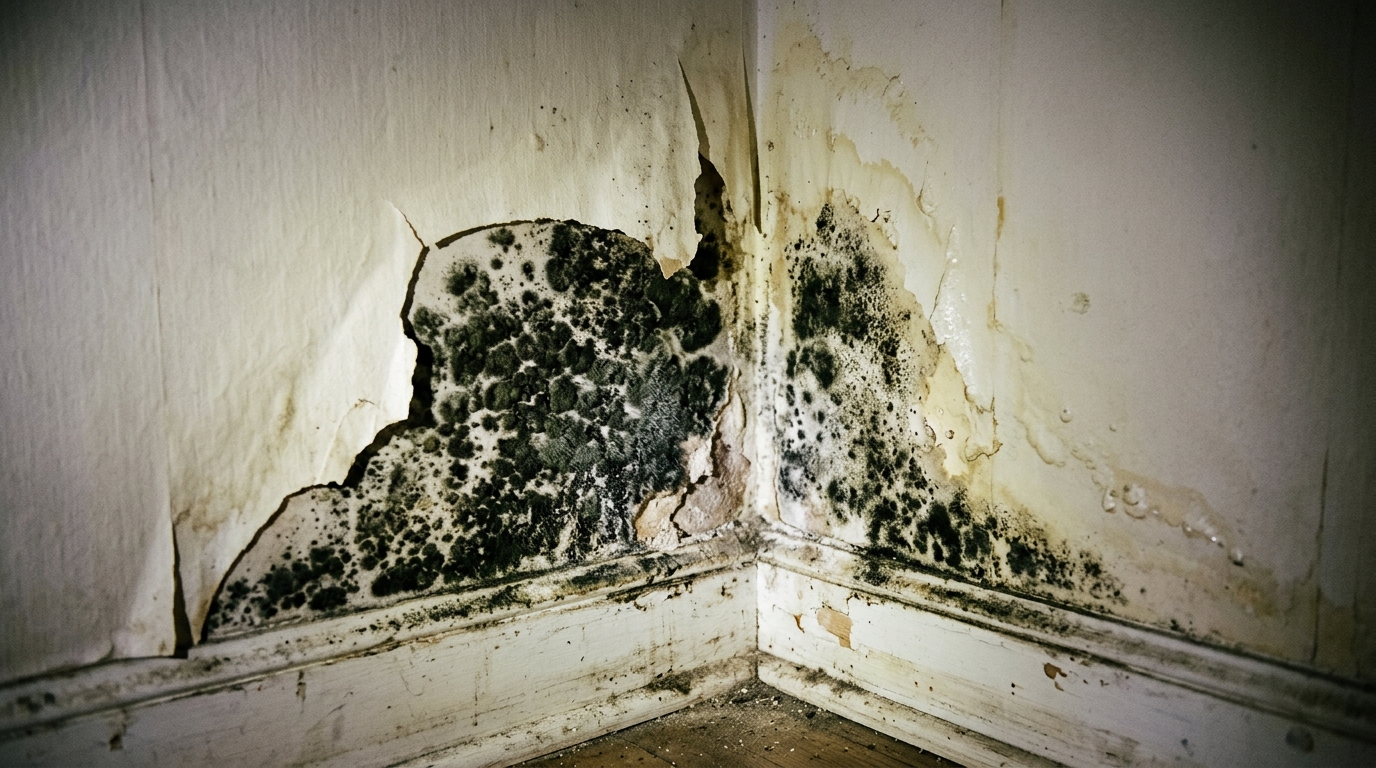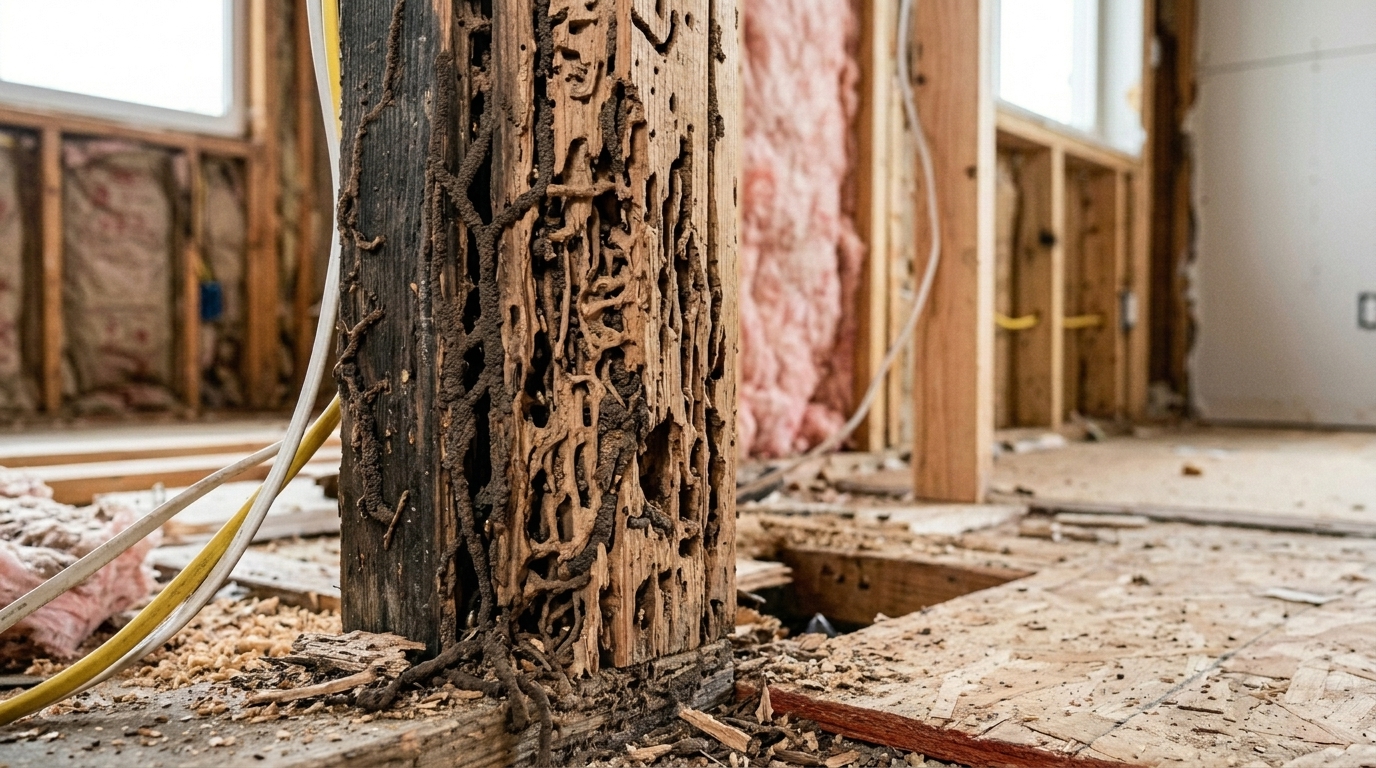
A home’s structural integrity relies entirely on the strength of its hidden framing—the wooden studs, joists, rafters, and sill plates that maintain the shape and safety of the building. When pests, particularly subterranean termites or wood-boring beetles, invade those hidden cavities, they act as silent saboteurs. Operating completely out of sight behind drywall and beneath flooring, a severe insect infestation can chew through vital support timbers for years before a homeowner ever notices a single sign of activity. By the time soft spots appear in the drywall or sagging is visible along the baseboards, the structural damage is already extensive and incredibly costly to repair.
For property owners in North Texas and Southwest Oklahoma—regions known for warm, humid climates that create highly optimal breeding conditions for aggressive termite colonies—pest infestations are a persistent headache. Remediaton isn’t just about calling an exterminator; it frequently involves major structural reconstruction to replace hollowed-out support systems.
When faced with a massive pest remediation and structural repair bill, many homeowners look to sell the property on the open market to escape the stress. However, trying to list a home with a history of active or un-remedied pest damage through traditional real estate channels is an incredibly difficult process. Let’s look honestly at the obstacles of listing an infested home on the open market and explore why selling directly to a local cash home buyer is often the smartest, most efficient path forward.
The Hidden Roadblocks of the Traditional Retail Market
When you choose to list a home with a real estate agent on the Multiple Listing Service (MLS), your target audience consists of retail buyers who rely on traditional mortgage financing. If your property features a known or active pest issue, the conventional transaction pipeline hits three major obstacles:
1. The Mandatory Wood-Destroying Insect (WDI) Report Blockade
In the traditional retail market, a standard home inspection is only the first step. For homes located in high-risk termite zones like Texas and Oklahoma, banks almost universally mandate a specialized Wood-Destroying Insect (WDI) Inspection.
A certified pest inspector will systematically check the crawlspaces, attic, and foundation lines for active colonies, mud tubes, or historical damage. If the WDI report comes back positive for an active infestation or notes un-remedied structural wood rot, the document is flagged by the lender, immediately threatening the viability of the entire transaction.
2. The Total Government Financing Barrier (FHA and VA Loans)
This is the single biggest hurdle to selling an infested home on the open market. Retail buyers heavily utilize government-backed financing programs like FHA guidelines or VA loans due to their lower down payment requirements.
Under strict FHA and VA underwriting standards, a bank will flatly refuse to fund a mortgage on a home until an active infestation is completely eradicated and a licensed contractor certifies that all structural wood damage has been fully repaired. If the home needs thousands of dollars in structural timber replacement and tenting treatments upfront, and you do not have that liquid cash sitting in a bank account, your home cannot be sold to the vast majority of retail buyers.
3. The Unpredictable Scope of Structural “Project Creep”
Pest damage is notorious for hidden surprises. An exterminator can treat the active bugs relatively quickly, but assessing the actual structural damage requires tearing away drywall, removing siding, and exposing the framing.
Once contractors begin pulling down walls, they frequently uncover a much larger web of damage than initially anticipated—including compromised load-bearing beams, insect-chewed electrical wiring, or hidden mold from moisture tracked in by the colony. Managing these expanding contractor budgets while your home sits as an active construction zone on the MLS is a recipe for immense emotional and financial stress.
Real-World Case Studies: Listing vs. A Direct Cash Sale
To truly see the benefits of skipping the traditional real estate track, let’s examine two contrasting real-world scenarios based on common market experiences in our primary territories.
Case Study A: The Traditional Listing Structural Trap (The DFW Metroplex)
A homeowner in the Dallas/Fort Worth area decided to sell their property. They noticed a few mud tubes along the exterior brick veneer but assumed it was a minor issue that a buyer could handle later. An agent listed the home on the MLS at full neighborhood market value.
- Month 1–2: A retail buyer signs a contract on the home. However, during the financing process, the bank-mandated WDI inspection reveals an active subterranean termite colony that has migrated up into the wall framing of the kitchen and dining room.
- Month 3: The buyer’s mortgage underwriter denies the loan until the seller pays out of pocket for complete chemical eradication and hires a licensed carpenter to replace the damaged studs. The lowest contractor estimate for the structural reconstruction comes in at $12,500. The seller doesn’t have the liquid cash available, and the contract collapses.
- Month 5: The agent drops the listing price by $20,000 on the MLS to attract an investor. However, because the property now features a documented structural pest failure in its history, everyday buyers assume the house is a money pit, and the listing goes completely stale.
- Month 7: The seller finally closes with a cash buyer at a deep discount, having wasted over half a year paying ongoing mortgage interest, property taxes, and utility bills on an empty house.
Case Study B: The Swift Cash Resolution (Lawton, Oklahoma)
An individual inherited a vacant home in Lawton, Oklahoma, that had sat neglected for several years, resulting in a severe pest infestation that left the structural sill plates along the foundation heavily compromised. The heir lived out of state and lacked the time, availability, or desire to manage local exterminators, interview structural carpenters, or fight with mortgage banks from afar.
- Day 1: The heir contacts an established direct cash home buyer via a simple online form.
- Day 2: A local property coordinator reviews the neighborhood analytics and conducts a rapid, non-invasive walkthrough to assess the property’s footprint and structural scope.
- Day 3: The company extends a firm, transparent all-cash offer. The valuation completely accounts for the pest eradication, framing reconstruction, and cosmetic updates internally, requiring $0 from the seller’s wallet.
- Day 5: The owner accepts the offer. Because the cash buyer uses private liquid capital, no bank underwriting guidelines, mortgage appraisers, or WDI clearance certificates are required to close the file.
- Day 11: The transaction closes smoothly at a reputable local title company. The seller walks away with cash in hand in less than two weeks, completely free from the physical, legal, and financial liability of a damaged asset.
Why a Direct Cash Buyer is Your Cleanest Strategy
When you sell your property directly to an established investment company like ours, you completely bypass the friction, delays, and out-of-pocket costs of the traditional retail market. We specialize in taking on the structural and environmental risks that terrify everyday buyers and their banks:
We Buy 100% As-Is (Leave the Pest and Structural Damage to Us)
When we say we buy houses completely as-is, we truly mean it. You do not need to hire exterminators, tent the property, pull permits, or replace a single chewed stud. If the entire structural framing requires extensive reinforcement or whole-home pest eradication after the purchase, that is entirely our financial problem, not yours. Take what you wish to keep from the property, leave the structural and insect headaches behind, and move on.
Zero Out-of-Pocket Commissions, Closing Costs, or Fees
Selling a home through a traditional real estate agent means giving up roughly 6% of your final sale price to agent commissions, plus another 2% to 3% in title fees and buyer closing costs. When a property’s value is already adjusted for structural pest damage, losing an additional 8% to 10% to transaction fees cuts deep into your hard-earned equity. We charge no commissions and cover all standard closing costs, ensuring you keep the exact amount of cash promised in our written offer.
Bypassing Project Risk and Holding Costs
Managing a structural reconstruction project yourself is incredibly stressful. Material delivery delays, rising labor costs, and hidden damage uncovered mid-project frequently cause budgets to break. Every month your house sits under construction is another month you must pay mortgage interest, property taxes, and insurance. When you sell directly to us, we assume 100% of the construction and holding risks.
Take Back Your Financial Freedom
An active pest infestation or hidden structural damage shouldn’t hold your financial future hostage. You do not have to let a sluggish, traditional real estate market or expensive out-of-pocket contractor bills dictate your recovery timeline.
If you are ready to skip invasive home inspections, avoid the nightmare of out-of-pocket construction costs, and sell your property on a timeline that you completely control, a direct cash sale is your cleanest path forward.
To see exactly how our direct buying model cuts out the middleman and learn more about our transparent valuation structure, take a moment to review our comprehensive guide explaining how the direct cash-buying process works. We believe in providing straightforward operational facts so you can make an empowered decision for your family’s future.
For homeowners dealing with structural or pest issues in North Texas, you can connect directly with our regional underwriting team by visiting our trusted real estate investors hub for the DFW area to request a rapid, hassle-free property assessment. If your property is located across the Oklahoma border and requires fast local action, our team is ready to provide an immediate closing solution through our dedicated home buying platform in Lawton.
You don’t have to carry the physical and financial burden of a damaged house alone. Let us buy the property as-is, take on the structural and pest risks, and put cash in your pocket so you can move forward into your next chapter with absolute peace of mind.